Osceola Turkey Guides: A Comprehensive Overview (Updated 04/30/2026)
Planning a successful Osceola turkey hunt requires expertise; skilled guides enhance your experience, navigating Florida’s unique terrain and turkey behavior for optimal results.
Understanding the Osceola Turkey
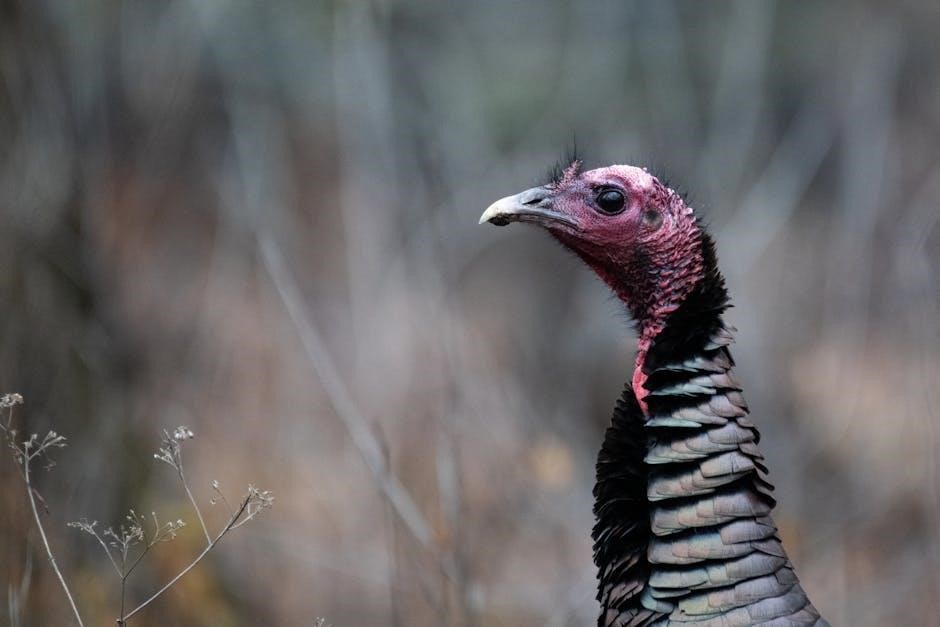
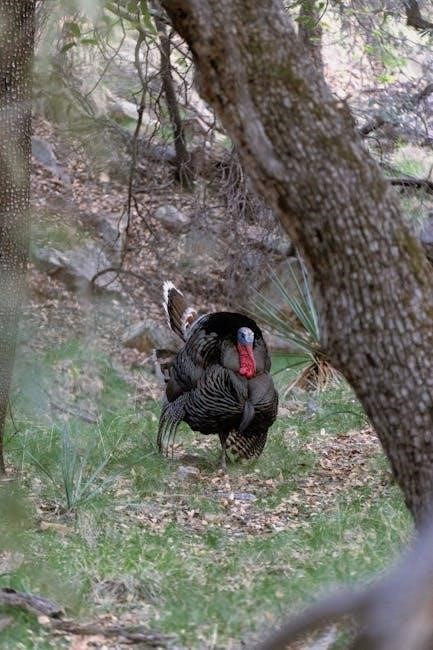
The Osceola, or Florida wild turkey, Meleagris gallopavo osceola, is a distinct subspecies prized by hunters for its challenging nature and beautiful plumage. Understanding their specific characteristics is crucial for a successful hunt, and a knowledgeable guide possesses this insight.
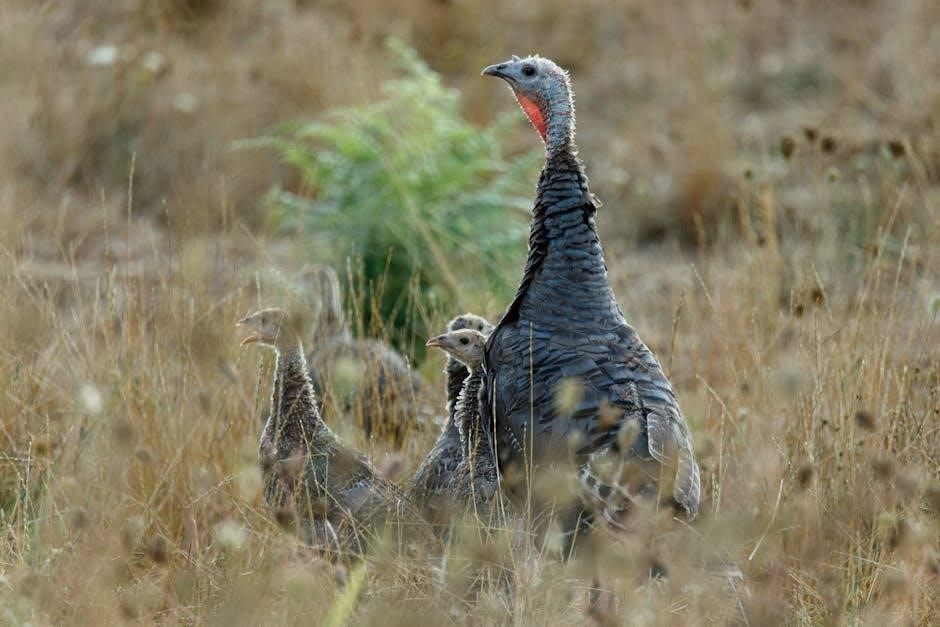
These turkeys are generally smaller and darker in coloration than other subspecies, adapting to the dense, subtropical habitats of Florida. They exhibit unique behavioral patterns influenced by the environment, requiring specialized hunting strategies. Florida boasts a population between 80,000 and 100,000 of these magnificent birds.
Osceolas are known for their wary disposition and tendency to roost in higher elevations, like cypress and pine trees. A seasoned guide understands these nuances, increasing your chances of locating and harvesting a trophy bird. They can interpret sign, predict movements, and adjust tactics accordingly, making the hunt more productive and enjoyable.
What Makes Osceola Turkeys Unique?
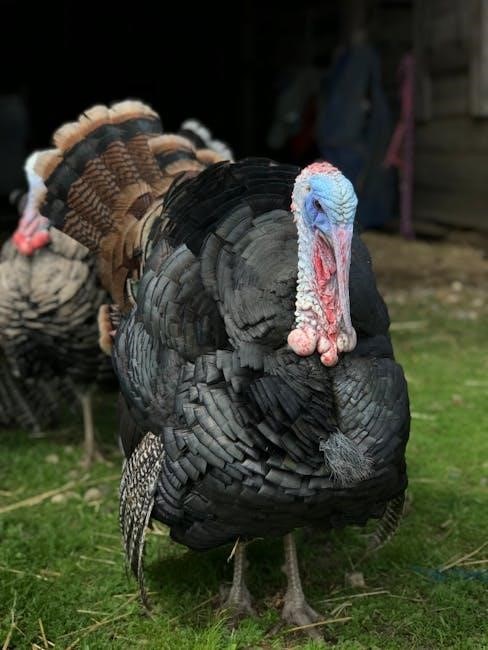
Osceola turkeys distinguish themselves through several key characteristics that demand specialized hunting approaches, making a skilled guide invaluable. Their darker plumage provides excellent camouflage within the Florida landscape, presenting a visual challenge for hunters. They are generally smaller in size compared to other wild turkey subspecies, influencing their behavior and response to calls.
These birds exhibit a heightened level of wariness, honed by the pressures of their environment and hunting pressure. Their preferred roosting sites, often in cypress and pine trees, differ from other subspecies, requiring guides to possess intimate knowledge of local terrain.
A proficient Osceola turkey guide understands these unique traits and tailors strategies accordingly. They can effectively utilize calls, decoys, and scouting techniques to overcome the challenges presented by these intelligent and elusive birds, maximizing your hunting success.
Geographic Range and Habitat
The Osceola turkey’s range is primarily confined to the southern portions of Florida, encompassing diverse habitats that a knowledgeable guide expertly navigates. They thrive in the pine flatwoods, palmetto scrub, and cypress swamps characteristic of the peninsula. Understanding these varied terrains is crucial for successful hunting, and a local guide possesses this essential insight.
Their habitat preferences often dictate their movement patterns and roosting locations, requiring guides to be adept at scouting and interpreting sign. Everglades National Park and numerous Wildlife Management Areas provide prime Osceola turkey habitat, but access and regulations vary.
A skilled Osceola turkey guide will have established relationships with landowners and a thorough understanding of public land access, ensuring a legal and productive hunt. They know where the birds are likely to be at different times of the year, based on food sources and breeding cycles.
Florida’s Turkey Subspecies: Osceola vs. Florida
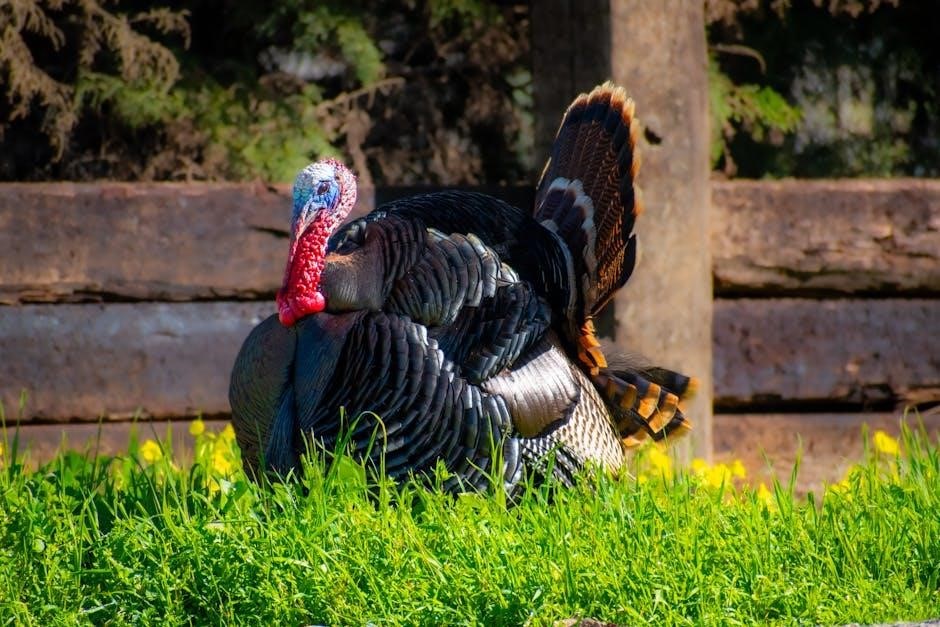
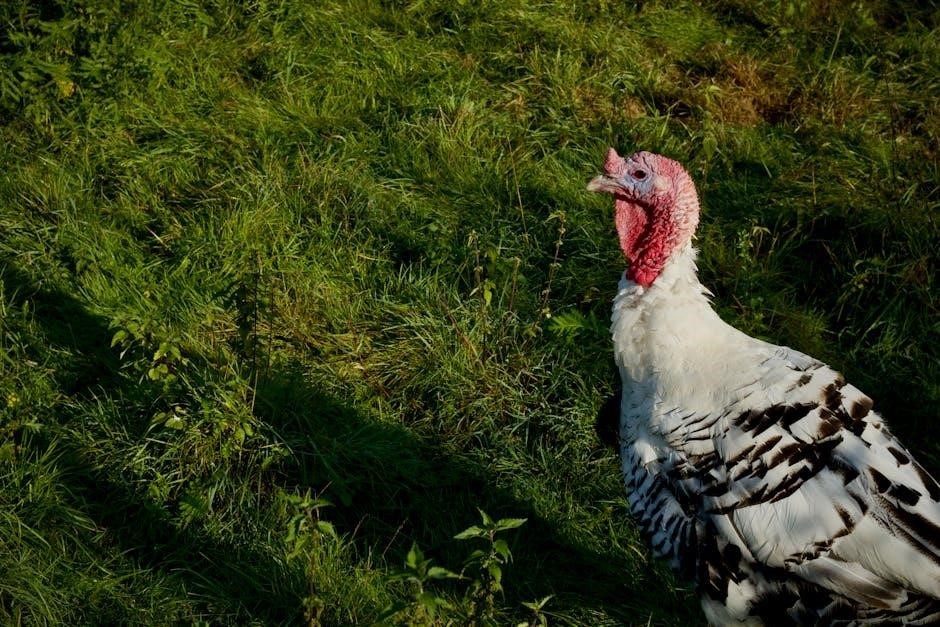
Florida boasts two distinct wild turkey subspecies: the Osceola and the Florida turkey. While both offer challenging hunts, understanding their differences is vital, and a seasoned guide provides this expertise. The Osceola, darker and leaner, inhabits the southern regions, while the Florida turkey occupies the northern parts of the state.
Osceola turkeys generally exhibit a more nomadic behavior, requiring guides to adapt their strategies frequently. They are known for being more vocal and responsive to calling, but also more wary. A guide’s knowledge of these behavioral nuances significantly increases hunting success.
Distinguishing between the subspecies in the field can be tricky, but experienced guides can identify key characteristics. Knowing which subspecies you’re pursuing informs calling tactics and decoy setups, maximizing your chances of harvesting a trophy bird.
Planning Your Osceola Turkey Hunt
Successful hunts demand meticulous preparation; guides expertly handle licenses, permits, and seasonal timing, ensuring a legally compliant and strategically advantageous hunting experience.
Best Time of Year to Hunt Osceola Turkeys
Experienced Osceola turkey guides intimately understand the nuances of the Florida hunting seasons. While a Thanksgiving turkey hunt is possible, the primary Osceola turkey hunting season differs. Generally, the best time to pursue these birds is during the spring, specifically March through May.
This period coincides with the peak of breeding season, when toms are most vocal and responsive to calling. Knowledgeable guides leverage this heightened activity, increasing hunter success rates. They monitor breeding cycles and adjust strategies accordingly. Early season hunts can be challenging due to lingering winter conditions, but offer less competition.
Mid-season provides optimal conditions, while late-season requires adapting to henned-up toms. A skilled guide will assess current conditions and tailor the hunt for the best possible outcome, maximizing your chances of harvesting a mature Osceola tom. They know when the birds are most active and where to find them.
Required Licenses and Permits
Reputable Osceola turkey guides will thoroughly explain all necessary licensing and permit requirements before your hunt. Florida Fish and Wildlife Conservation Commission (FWC) regulations dictate what’s needed, and these can change annually. Generally, non-residents require a hunting license, as well as a turkey permit.
A knowledgeable guide will ensure you have the correct documentation, preventing legal issues during your hunt. They often assist with the online application process, streamlining the process for their clients. It’s crucial to understand the specific requirements for the zone you’ll be hunting in, as regulations can vary.
Experienced guides stay updated on FWC rule changes and will proactively inform you of any new requirements. They can also clarify any confusion regarding license types and associated fees. Proper licensing is not only legally mandated but also supports conservation efforts within the state.
Choosing the Right Osceola Turkey Guide
Selecting an Osceola turkey guide demands careful consideration; Prioritize guides with extensive experience specifically hunting Osceola turkeys in Florida. Look for those intimately familiar with the local terrain, turkey behavior, and hunting pressure in their areas.
Check online reviews and testimonials from previous clients to gauge their reputation and success rates. A reputable guide will readily provide references. Inquire about their guiding philosophy – do they prioritize a high-volume approach or a more tailored, quality experience?
Confirm they possess all necessary licenses and insurance, ensuring a legal and safe hunt. Discuss their scouting practices and what’s included in their packages, such as meals, lodging, and transportation. A clear understanding of costs and inclusions is vital for a transparent and enjoyable hunt.
Factors to Consider When Selecting a Guide
Beyond experience, several factors influence the quality of your Osceola turkey hunt. Consider the guide’s knowledge of specific Wildlife Management Areas (WMAs) or private lands, as turkey populations vary. A guide familiar with diverse habitats – marshes, swamps, and pine flatwoods – is advantageous.
Evaluate their communication style and responsiveness. A good guide will proactively answer your questions and provide detailed pre-hunt information. Assess their commitment to ethical hunting practices and fair chase.
Think about the guide’s equipment – quality calls, decoys, and comfortable blinds can significantly impact your success. Finally, consider the overall hunt atmosphere; do you prefer a fast-paced, action-oriented hunt or a more relaxed, observational experience? Aligning your preferences with the guide’s style is crucial.
Hunting Techniques and Strategies
Successful Osceola turkey hunting blends skillful calling, strategic decoy placement, and thorough scouting to understand turkey movement and behavior within Florida’s diverse landscapes.
Calling Techniques for Osceola Turkeys
Osceola turkeys respond uniquely to calls, demanding a nuanced approach from hunters and guides. Unlike their northern counterparts, Osceola’s often require more aggressive and varied calling sequences. Experienced guides understand this, employing techniques like yelps, clucks, purrs, and cutts to pique a tom’s interest.
Locating birds is paramount; guides frequently utilize locating calls – loud yelps or owl hooting – to elicit a shock gobble, revealing a turkey’s position. Once located, a series of soft yelps and purrs can simulate a receptive hen, drawing the tom closer. However, overcalling can spook wary Osceolas.
A guide’s expertise lies in adapting to the bird’s mood and the hunting situation. Sometimes, minimal calling is best, allowing the decoy spread to do the work. Other times, a relentless barrage of calls is necessary to overcome the tom’s hesitation. Mastering these subtleties is key to a successful hunt.
Decoy Placement and Strategies
Effective decoy setups are crucial when hunting Osceola turkeys, and experienced guides excel at reading the terrain and turkey behavior to maximize their impact. A common strategy involves using a combination of hen and jake decoys to create the illusion of a receptive breeding pair.
Placement is key; guides often position decoys in open areas where they are visible from a distance, but also near cover to provide a sense of security. Considering wind direction is vital, ensuring scent carries towards the hunting location. A relaxed, natural presentation is paramount – avoid perfectly symmetrical arrangements.
Guides adapt decoy strategies based on the tom’s response. If a bird hangs up at long range, adding a second hen or adjusting the decoy’s posture can entice him closer. Sometimes, a single, submissive hen decoy is all that’s needed to trigger a gobble and a commitment.
Scouting for Osceola Turkeys
Diligent scouting is the foundation of a successful Osceola turkey hunt, and a knowledgeable guide understands this implicitly. They begin well in advance of the season, identifying areas with high turkey concentrations by locating fresh sign – tracks, droppings, and feathers.
Guides expertly read the landscape, focusing on preferred habitat like palmetto flats, pine forests, and edges between different vegetation types. They listen for gobbles during early mornings, pinpointing the birds’ roosting locations. Observing fly-down patterns reveals where turkeys are heading to feed and strut.
Experienced guides don’t rely solely on audible cues; they also use game cameras to monitor turkey movement and establish patterns. This information informs their hunting strategy, allowing them to set up ambushes in areas where turkeys are consistently active.
Understanding Turkey Behavior Patterns
A premier Osceola turkey guide possesses an intimate understanding of turkey behavior, crucial for consistently successful hunts. They recognize that turkeys aren’t simply random wanderers; their movements are dictated by predictable patterns linked to breeding season, feeding habits, and roosting preferences.
Guides interpret the nuances of gobbling activity – the intensity, frequency, and location – to gauge a tom’s breeding status and responsiveness. They know how weather conditions influence turkey movement, adjusting strategies accordingly. Understanding the pecking order within a flock is also vital.
Experienced guides can anticipate a turkey’s reaction to calling and decoy setups, based on their knowledge of the bird’s current mood and the stage of the breeding season. This insight allows them to tailor their approach, increasing the odds of bringing a mature tom within range.
Essential Gear and Equipment
Reliable Osceola turkey guides furnish essential hunting tools, including shotguns, camouflage, and calls, ensuring hunters are well-prepared for Florida’s challenging conditions.
Shotguns, Chokes, and Ammunition
Selecting the right shotgun is paramount for a successful Osceola turkey hunt, and experienced guides will advise on appropriate gauges – typically 12 or 20 gauge – based on hunter preference and skill. Choke selection is equally critical; extra-full or modified chokes are commonly recommended to deliver a tight pattern at the longer ranges often encountered when hunting wary Osceola turkeys.
Ammunition choices should focus on non-toxic shot, as required by Florida regulations. Tungsten super shot (TSS) is increasingly popular due to its superior density and long-range effectiveness, allowing for cleaner kills and ethical harvests. Guides often provide insights into optimal shot size – typically #4, #5, or #6 – depending on the terrain and expected shot distances. Proper patterning of your shotgun with your chosen ammunition is essential to ensure consistent and lethal performance in the field, a service many guides can facilitate.
Camouflage and Clothing
Effective camouflage is crucial when pursuing elusive Osceola turkeys, and experienced guides emphasize blending seamlessly with the Florida environment. Opt for patterns that mimic the palmetto flats, oak hammocks, and pine forests prevalent in Osceola turkey habitat – think mottled browns, greens, and tans. Full concealment, including a head net and gloves, is highly recommended to minimize movement and break up your silhouette.
Clothing should be lightweight and breathable, given Florida’s often warm and humid conditions. Moisture-wicking fabrics are essential for comfort during active hunts. Guides often advise on layering options to adapt to fluctuating temperatures. Don’t forget sturdy, waterproof boots for navigating potentially wet terrain. Avoid bright colors or shiny materials that could spook wary birds, and always heed your guide’s specific recommendations based on the hunting location and conditions.
Essential Hunting Accessories
Beyond the basics, several accessories significantly enhance an Osceola turkey hunt, as recommended by seasoned guides. A quality turkey vest is indispensable, providing storage for calls, ammunition, and other essentials while offering back support. Binoculars are crucial for scouting and identifying birds at a distance. A rangefinder ensures accurate shot placement, especially in varied terrain.
Don’t overlook a comfortable seat – cushion or tripod style – for extended periods of waiting. Insect repellent is a must-have in Florida’s buggy environment. A GPS device or smartphone with mapping apps can aid navigation. Experienced guides will also suggest a diaphragm call for close-range persuasion and a loud, clear box call for long-distance communication. Finally, a game bag is essential for transporting your harvest respectfully.
Osceola Turkey Hunting Regulations in Florida
Florida’s regulations dictate hunt specifics; guides ensure compliance with season dates, bag limits, and legal hunting hours, prioritizing safety and ethical practices.
Season Dates and Bag Limits
Navigating Florida’s turkey hunting seasons is crucial, and experienced Osceola turkey guides possess up-to-date knowledge of these regulations. Typically, Florida offers several hunting periods throughout spring, with specific dates varying annually based on wildlife management area and overall population assessments.
Guides expertly interpret these dates for clients, maximizing hunting opportunities within legal frameworks. Bag limits generally allow for the harvest of one Osceola turkey per day, with a seasonal limit often capped at two birds. However, these limits can differ depending on the specific zone and whether a hunter possesses a special permit.
A reputable guide will proactively inform hunters about any zone-specific restrictions or changes to bag limits, ensuring a lawful and enjoyable hunt. They handle the complexities of permit requirements and seasonal adjustments, allowing hunters to focus solely on the pursuit of these magnificent birds. Understanding these regulations is paramount for responsible and successful turkey hunting in Florida.
Legal Hunting Hours
Osceola turkey guides intimately understand Florida’s legal hunting hours, a critical aspect of a successful and lawful hunt. Generally, turkey hunting is permitted from 30 minutes before sunrise to 30 minutes after sunset. However, these times are not static and fluctuate daily based on sunrise and sunset times for the specific hunting location.
A skilled guide will meticulously calculate and communicate these precise hunting windows to clients, ensuring adherence to state regulations. Hunting outside these designated hours carries significant legal consequences. Furthermore, some Wildlife Management Areas (WMAs) may impose even more restrictive hunting hour limitations.
Experienced guides are well-versed in these WMA-specific rules and will plan hunts accordingly. They utilize tools and resources to accurately determine legal shooting times, prioritizing ethical hunting practices and compliance. Relying on a guide’s expertise eliminates the guesswork and potential for accidental violations, fostering a safe and responsible hunting experience.
Safety Regulations and Ethical Hunting Practices
Reputable Osceola turkey guides prioritize hunter safety above all else, rigorously enforcing firearm handling protocols and emphasizing situational awareness. They conduct thorough safety briefings before each hunt, covering topics like zone of fire, proper shooting techniques, and emergency procedures.
Ethical hunting is also paramount; guides promote fair chase principles and responsible harvesting. This includes ensuring a clean, quick kill, respecting the animal, and utilizing the entire harvested bird. They actively discourage shooting at turkeys beyond effective range or in unsafe conditions.
A good guide will also educate hunters on the importance of respecting private property, minimizing environmental impact, and following all Florida Fish and Wildlife Conservation Commission (FWC) regulations. They champion responsible hunting behavior, contributing to the long-term sustainability of the Osceola turkey population and the sport itself.
Post-Harvest Considerations
Experienced Osceola turkey guides expertly assist with field dressing, proper transportation, and offer guidance on processing options, ensuring a respectful and efficient post-harvest process.
Field Dressing and Transportation
A reputable Osceola turkey guide will demonstrate proper field dressing techniques, crucial for meat quality and preventing spoilage. This involves quickly and efficiently removing internal organs, ensuring the cavity is clean and cooled.
Guides understand Florida’s regulations regarding transportation of harvested game. They’ll advise on legal requirements, such as tagging procedures and ensuring the bird is visible during transport.
Many guides offer assistance with initial cooling, often utilizing game bags and ice to maintain a safe temperature. They’ll also discuss options for transporting the turkey to a processor or your desired location.
Experienced guides prioritize hygiene and sanitation throughout the field dressing and transportation process, minimizing the risk of contamination and maximizing the quality of your harvest. They’ll also share best practices for preventing feather damage during transport.
Turkey Processing and Preservation
Knowledgeable Osceola turkey guides often have established relationships with local processors, offering convenient options for turning your harvest into delicious, usable meat. They can recommend reputable facilities known for quality processing.
Guides can discuss various preservation methods, including freezing, smoking, and curing, helping you determine the best approach for your preferences. They’ll explain the importance of proper packaging to prevent freezer burn and maintain flavor.
Some guides may even offer on-site assistance with basic processing tasks, such as breaking down the bird into individual cuts. They’ll share tips for maximizing yield and minimizing waste.
A good guide understands the importance of food safety and will emphasize proper handling and storage throughout the processing and preservation stages, ensuring a safe and enjoyable culinary experience with your Osceola turkey.
Reporting Your Harvest
Responsible Osceola turkey guides prioritize adherence to Florida Fish and Wildlife Conservation Commission (FWC) regulations, including accurate harvest reporting. They will thoroughly explain the reporting requirements to hunters before and after the hunt.
Guides often assist with the reporting process, ensuring all necessary information – such as date, location, and method of take – is correctly submitted. They understand the importance of timely reporting for wildlife management and conservation efforts.
A reputable guide will emphasize the legal obligation to report your harvest and will provide clear instructions on how to do so, whether through the FWC’s online system or other designated methods.
They’ll also highlight the potential consequences of failing to report, reinforcing the importance of ethical hunting practices and responsible wildlife stewardship. Your guide is a key resource for navigating these crucial post-harvest procedures.