First Aid Kit Checklist PDF: A Comprehensive Guide
Today’s date is 12/17/2025. A printable checklist ensures you have necessary supplies, aiding in restocking and maintaining a fully-stocked first aid kit.
A well-prepared first aid kit is crucial for responding effectively to emergencies, from minor injuries to life-threatening situations. Utilizing a first aid kit checklist PDF streamlines the process of assembling and maintaining a comprehensive kit. Today, December 17, 2025, prioritizing preparedness is paramount.
These checklists aren’t merely lists; they are vital tools ensuring you have the necessary supplies readily available. Regularly reviewing and updating your kit, guided by a checklist, guarantees its effectiveness. Consider personal needs, allergies (like nut or shellfish sensitivities requiring an EpiPen), and activity-specific risks when customizing your kit. A thoughtfully curated kit empowers you to provide immediate assistance, potentially saving lives.
Understanding the Importance of a Well-Stocked Kit
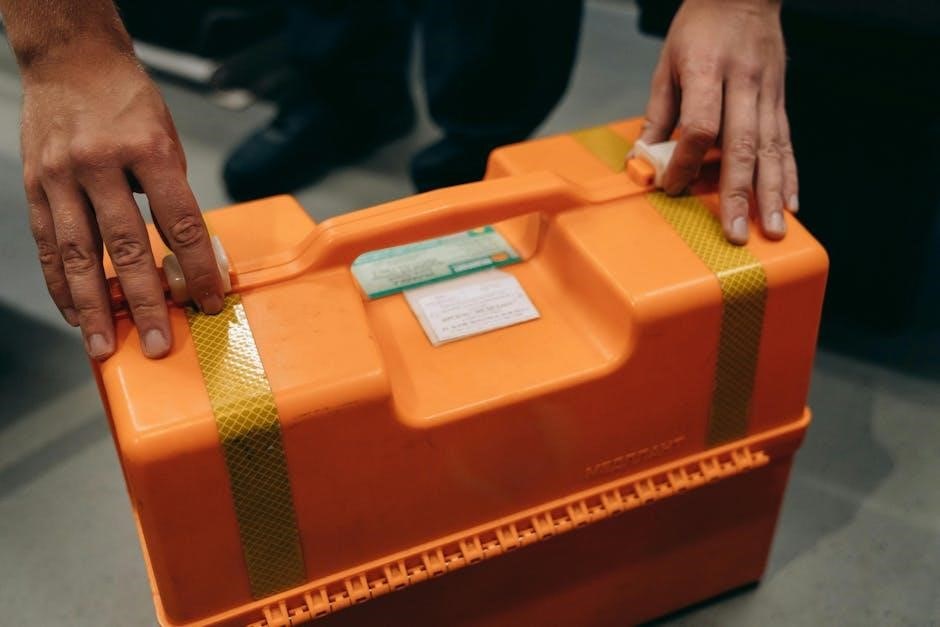
A thoroughly stocked first aid kit, guided by a first aid kit checklist PDF, isn’t just about compliance; it’s about preparedness and peace of mind. Immediate access to essential supplies can significantly impact the outcome of an injury or illness. Delays in treatment can exacerbate conditions, making a well-maintained kit invaluable.
Regularly reviewing a checklist – ideally every 3-6 months – ensures items haven’t expired or been depleted. This proactive approach is especially critical for medications and sterile supplies. Beyond basic needs, personalize your kit based on allergies (consider an EpiPen) and specific activities. A well-stocked kit demonstrates responsibility and can be the difference between a minor incident and a serious emergency.

Core Components of a First Aid Kit
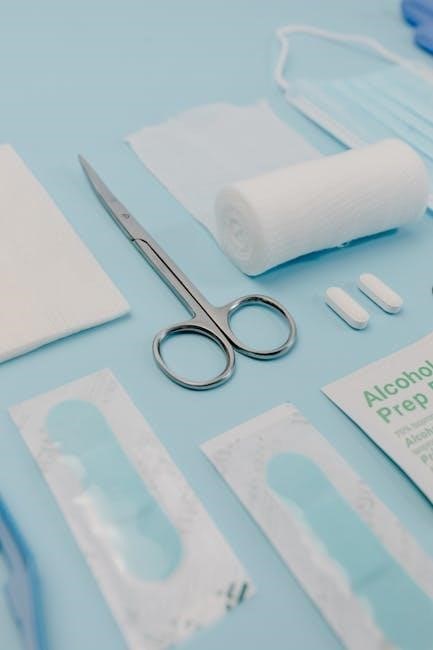
Essential components include wound care (bandages, gauze, tape, antiseptic), pain/fever medications, and crucial tools like scissors, tweezers, and non-latex gloves.
Wound Care Supplies
Comprehensive wound care is paramount in any first aid kit. Assorted bandages are crucial for covering minor cuts and scrapes, offering protection and promoting healing. Sterile gauze pads are essential for cleaning and dressing larger wounds, absorbing blood, and preventing infection. Don’t forget adhesive tape to secure dressings firmly in place.
Antiseptic wipes or solution are vital for disinfecting wounds, killing bacteria, and minimizing the risk of complications. Having a variety of sizes and types ensures you’re prepared for different wound scenarios. Regularly check expiration dates on all wound care items to maintain their effectiveness. Proper wound care prevents minor injuries from escalating into serious health concerns.
Bandages (Assorted Sizes)
Bandages are fundamental for immediate wound protection and are a cornerstone of any well-stocked first aid kit. Include a variety of sizes – from small adhesive bandages for minor cuts and scrapes to larger bandages for more substantial injuries. Consider including waterproof bandages for situations where the wound may be exposed to moisture.
Fabric bandages offer flexibility and comfort, while plastic bandages are ideal for sensitive skin. Having an assortment ensures you can effectively cover and protect wounds of all shapes and sizes. Regularly inspect bandages for damage or compromised adhesive. A sufficient quantity is vital, as bandages are frequently used items.
Sterile Gauze Pads
Sterile gauze pads are essential for cleaning, covering, and protecting wounds, absorbing blood and other fluids. Include multiple sizes – 2×2 inch, 4×4 inch are common – to accommodate various injury types. Non-adhesive gauze pads are ideal for direct wound contact, minimizing irritation.
Gauze rolls can be used to secure dressings and provide compression. Ensure the gauze is individually wrapped and sterile to prevent infection; Regularly check the packaging for integrity; compromised sterility renders the pads unusable. A generous supply is crucial, as gauze is frequently used for larger wounds or heavy bleeding. Proper gauze application is a key first aid skill.
Adhesive Tape
Adhesive tape is vital for securing dressings, bandages, and splints, providing support and protection to injuries. Include at least two types: paper tape for sensitive skin and cloth tape for stronger adhesion. Different widths are also beneficial – a roll of 1-inch and ½-inch tape offers versatility.
Ensure the tape is hypoallergenic to minimize allergic reactions; Check expiration dates, as adhesive can degrade over time, losing its stickiness. Store tape in a cool, dry place to maintain its effectiveness. Consider including medical tape specifically designed for wound care, offering breathability and comfort. Proper application prevents constriction and promotes healing.
Antiseptic Wipes or Solution
Antiseptic wipes or solution are crucial for cleaning wounds, preventing infection, and promoting healing. Choose a broad-spectrum antiseptic effective against common bacteria. Alcohol wipes are convenient, but can sting; povidone-iodine or chlorhexidine solutions offer alternatives.

Individual, pre-moistened wipes are ideal for portability and ease of use. If opting for a solution, include sterile applicators. Always clean the skin around the wound before applying antiseptic to the wound itself. Check expiration dates, as effectiveness diminishes over time. Store in a cool, dark place to preserve potency. Proper wound cleaning is a foundational step in first aid.
Medications for Pain and Fever
Pain relievers like ibuprofen and acetaminophen are essential for managing minor injuries and illnesses. Include both adult and child formulations, clearly labeled with dosages. Ibuprofen is an NSAID, reducing inflammation in addition to pain, while acetaminophen primarily targets pain and fever.
Antihistamines are vital for allergic reactions, offering relief from itching, swelling, and hives. Consider both diphenhydramine (sedating) and a non-drowsy option like loratadine. Always check for allergies and contraindications before administering any medication. Store medications in a cool, dry place, and regularly check expiration dates for effectiveness.

Pain Relievers (Ibuprofen, Acetaminophen)
Ibuprofen and acetaminophen are crucial for alleviating discomfort from injuries like sprains, strains, headaches, and fevers. Stock both options in appropriate dosages – adult and pediatric – clearly marked for safe administration. Ibuprofen, a nonsteroidal anti-inflammatory drug (NSAID), reduces both pain and inflammation, beneficial for injuries causing swelling.
Acetaminophen effectively manages pain and reduces fever, but lacks anti-inflammatory properties. Ensure you understand the correct dosage for each age group and consider including a dosing chart. Regularly check expiration dates and store these medications in a cool, dry location, away from direct sunlight;
Antihistamines
Antihistamines are essential for managing allergic reactions, ranging from mild skin irritations to more severe symptoms. Include both diphenhydramine (Benadryl) – a first-generation antihistamine known for causing drowsiness – and a non-drowsy alternative like loratadine (Claritin) or cetirizine (Zyrtec).
Diphenhydramine is useful for nighttime reactions or when sedation is desired, while non-drowsy options allow for continued activity. Consider liquid formulations for children and individuals who have difficulty swallowing pills; Always check for potential drug interactions and contraindications before administering antihistamines, especially to those with pre-existing medical conditions.
Tools and Equipment
Essential tools and equipment amplify a first aid kit’s effectiveness. Include a pair of sharp scissors for cutting bandages, tape, or clothing. Tweezers are vital for removing splinters, ticks, or debris. Several safety pins offer versatile uses, from securing bandages to improvising slings.
Non-latex gloves are crucial for maintaining hygiene and protecting both the responder and the injured person. A small flashlight with extra batteries is helpful for visibility in low-light situations. Consider adding a CPR face shield for safe rescue breathing. Ensure all tools are clean and in good working order during periodic kit reviews.
Scissors
Scissors are a fundamental component of any well-equipped first aid kit, serving multiple crucial functions. They are essential for precisely cutting bandages to the appropriate size for wound coverage, ensuring a secure and comfortable fit. Beyond bandages, scissors are invaluable for cutting tape, clothing – when access to an injury is obstructed – or even removing tangled materials from a wound.
Opt for sturdy, stainless steel scissors with rounded tips to minimize the risk of accidental punctures. Regularly check the blades to ensure they remain sharp and functional. Dull scissors can tear materials instead of cutting cleanly, potentially causing further discomfort or contamination. Include scissors in your periodic kit review.
Tweezers
Tweezers are an indispensable tool within a comprehensive first aid kit, primarily utilized for the safe and effective removal of splinters, thorns, or small debris embedded in the skin. Their precision allows for targeted extraction, minimizing trauma to the surrounding tissue and reducing the risk of infection. Sterilization is paramount; ensure your tweezers are thoroughly cleaned before each use, or opt for pre-sterilized, individually wrapped pairs.
Look for tweezers crafted from stainless steel, offering durability and resistance to corrosion. Fine-tipped tweezers are particularly useful for delicate removals. Regularly inspect the tips to confirm they align properly, ensuring a firm grip. Include tweezers in your routine kit maintenance checks.
Safety Pins
Safety pins are surprisingly versatile additions to any well-stocked first aid kit, offering a multitude of uses beyond simply fastening clothing. They can temporarily secure bandages or dressings, improvise slings for minor injuries, or even assist in removing splinters when tweezers aren’t readily available – though sterilization is crucial in this case. Different sizes are beneficial; include a variety pack.
Opt for pins made from rust-proof materials like stainless steel to maintain hygiene and longevity. Ensure the clasp mechanism functions smoothly and securely to prevent accidental openings. Regularly check for any signs of corrosion or damage during kit inspections. Their small size and broad utility make them a valuable asset.
Gloves (Non-Latex)
Non-latex gloves are a critical component of any first aid kit, prioritizing both your safety and the well-being of the injured person. They establish a vital barrier against potential contamination, protecting both the responder and the casualty from the transfer of bodily fluids and infectious materials. Latex allergies are common, making non-latex options essential for universal protection.
Include several pairs of disposable gloves in various sizes to ensure a comfortable and secure fit. Nitrile gloves are a popular and durable choice. Always inspect gloves for tears or punctures before use. Proper glove use, combined with hand hygiene, significantly reduces the risk of infection during first aid procedures.
Specialized Items to Consider
Personal needs, medical conditions, and activity environments dictate specialized additions like epinephrine auto-injectors (EpiPens) for allergies, or burn treatments.
Allergy Relief
For individuals with severe allergies, incorporating an epinephrine auto-injector (EpiPen) is critically important. It’s strongly advised to include one in your first aid kit, in addition to carrying one on your person daily. Allergic reactions can escalate rapidly, demanding immediate intervention.
Ensure anyone trained in its administration is aware of the kit’s location. Regularly check the expiration date of the EpiPen, as its effectiveness diminishes over time. Consider including antihistamines as a supplementary measure for milder allergic reactions, providing additional relief from symptoms like itching and hives. Prioritize preparedness for potentially life-threatening situations.
Epinephrine Auto-Injector (EpiPen) ⏤ If Applicable
If a household member has a known severe allergy – such as to peanuts, bee stings, or shellfish – an epinephrine auto-injector (EpiPen) is a non-negotiable inclusion in your first aid kit. Remember, this is in addition to the individual carrying their own prescribed device.
Regularly inspect the EpiPen’s expiration date; expired devices may be ineffective. Ensure all caregivers and family members understand how to properly administer the injection. Familiarize yourselves with the signs of anaphylaxis and practice using a trainer device. Proper training can be life-saving in a critical allergic emergency. Store the EpiPen in an easily accessible location.
Burn Treatment
For minor burns, include burn cream or gel to soothe the affected area and promote healing. Sterile burn dressings are crucial for protecting the burn from infection and minimizing discomfort. These dressings should be non-adhesive to avoid further trauma when removing them.
Consider the severity of potential burns when selecting supplies. For more significant burns, hydrogel dressings can provide cooling and maintain a moist wound environment. Always prioritize cooling the burn with cool (not cold) water for at least 10-20 minutes before applying any treatment. Remember to seek professional medical attention for severe burns.
Burn Cream or Gel
Burn cream or gel is essential for providing immediate relief from minor burns. These topical treatments help to cool the skin, reduce pain, and prevent infection. Look for formulations containing ingredients like aloe vera, lidocaine, or benzocaine for enhanced soothing properties.
Ensure the chosen product is specifically designed for burns, as other creams may exacerbate the injury. Consider including both a cream and a gel option, as gels can be particularly effective for cooling larger surface areas. Always read and follow the product instructions carefully before application, and discontinue use if any adverse reaction occurs.
Sterile Burn Dressings
Sterile burn dressings are crucial for protecting burn wounds from contamination and promoting healing. These specialized dressings are designed to adhere gently to burned skin, minimizing pain during removal. Include a variety of sizes to accommodate different burn areas. Hydrocolloid dressings are excellent for maintaining a moist wound environment, which accelerates the healing process.
Non-adhesive dressings are also beneficial, particularly for superficial burns. Ensure dressings are individually wrapped and sterile to prevent infection. Consider including burn sheets for larger burns, providing comprehensive coverage and protection. Regularly check the expiration dates of these dressings to ensure their sterility and effectiveness.
Eye and Skin Irritation
Eye wash solution is essential for flushing out irritants like dust, debris, or chemicals from the eyes. A sterile saline solution is preferred to avoid further irritation. Include an eyewash cup or bottle for controlled rinsing. Hydrocortisone cream effectively reduces inflammation, itching, and redness caused by minor skin irritations, insect bites, or allergic reactions.
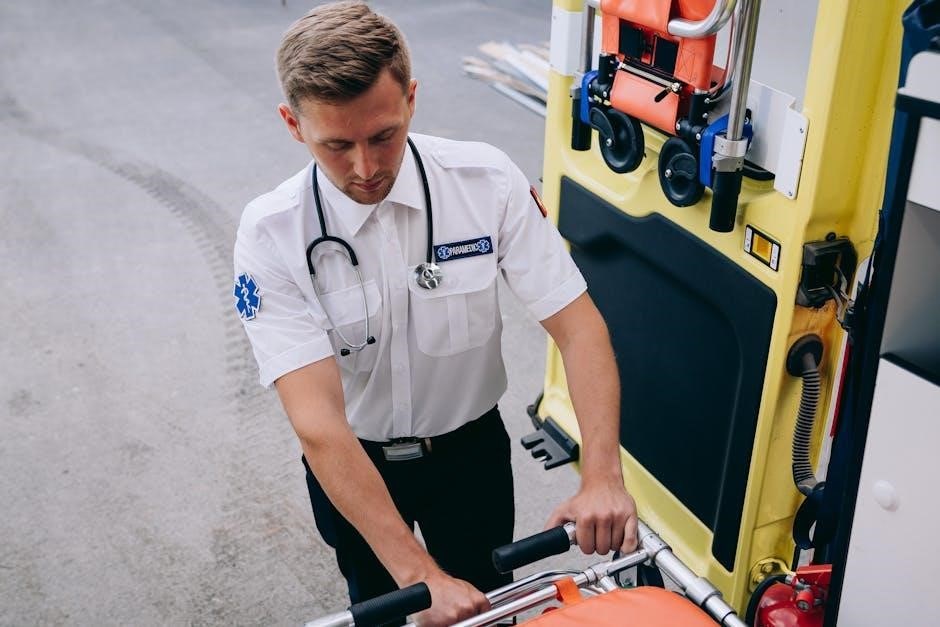
Consider adding lubricating eye drops for dryness or discomfort. For skin reactions, include hypoallergenic wipes for gentle cleansing before applying the cream. Ensure the eyewash solution is sterile and within its expiration date. These items provide quick relief and prevent minor irritations from escalating into more serious conditions.
Eye Wash Solution
Eye wash solution is a critical component, designed for immediate irrigation of the eye to remove foreign particles, dust, or chemical splashes. Opt for a sterile, saline-based solution to minimize discomfort and prevent secondary infection. Avoid using tap water, as it may contain contaminants. A dedicated eyewash cup or a single-use, sterile vial with a nozzle facilitates controlled rinsing.
Regularly check the expiration date and ensure the solution remains sealed until use. Proper eye irrigation can significantly reduce pain and prevent potential corneal damage. It’s vital to know how to correctly administer the solution – gently flush the eye from the inner corner outwards.
Hydrocortisone Cream
Hydrocortisone cream, a mild topical corticosteroid, is invaluable for alleviating itching, inflammation, and discomfort associated with minor skin irritations, insect bites, and allergic reactions. A 1% concentration is generally sufficient for first-aid purposes. Ensure the cream is within its expiration date, as potency diminishes over time.
Apply a thin layer to the affected area, avoiding prolonged use or application to large areas of skin. It’s crucial to understand that hydrocortisone cream treats symptoms, not the underlying cause. If irritation persists or worsens, seek medical attention. Store the cream in a cool, dry place, away from direct sunlight to maintain its effectiveness.

Maintaining Your First Aid Kit
Regular checks of expiration dates, cleanliness, and organization are vital. Review your kit every 3-6 months, or more often with frequent use, for optimal readiness.
Expiration Dates and Replenishment
Maintaining a functional first aid kit hinges on diligently monitoring expiration dates. Medications, sterile supplies, and even some adhesives degrade over time, losing effectiveness. Regularly – at least every six months – inspect each item and discard anything past its printed expiry.
Replenishment should be immediate after any use or discovery of an expired product. Create a system, perhaps a note on your phone or a dedicated list, to track consumed items. Consider bulk purchasing frequently used supplies like bandages and antiseptic wipes to streamline the restocking process. Don’t forget to check the EpiPen if applicable!

A well-maintained kit is a reliable resource in emergencies, and proactive expiration date management is paramount to its effectiveness.
Cleanliness and Organization
A clean and organized first aid kit is crucial for efficient response during emergencies. Dust, debris, and moisture can compromise the sterility of supplies and hinder quick access. Regularly wipe down the interior and exterior of the kit container with a disinfectant wipe.
Organize contents logically – group similar items together (wound care, medications, tools). Consider using small, labeled pouches or compartments within the kit. This allows for rapid identification and retrieval of needed supplies, even under stress.
Ensure items are dry and properly sealed. A damp environment promotes bacterial growth and degrades effectiveness. A tidy kit isn’t just aesthetically pleasing; it’s a matter of safety and preparedness.
Kit Location and Accessibility
Strategic placement of your first aid kit is paramount. Choose a location that is easily accessible to all household members or employees, yet secure from unauthorized access, especially by young children. Avoid areas prone to extreme temperatures or humidity, as these can damage contents.
Common suitable locations include a central hallway closet, kitchen (away from the stove), or a designated first aid room. Ensure everyone knows the kit’s location; It should be readily available during both day and night.
Clearly label the kit with a prominent “First Aid” sign. Accessibility isn’t just about location; it’s about ensuring swift retrieval in a critical moment.
Periodic Review and Updates
Regularly reviewing your first aid kit – ideally every 3-6 months, or more frequently with use – is crucial. This ensures all items are present, undamaged, and within their expiration dates. Replenish used or expired supplies immediately to maintain readiness.
Check medications for potency and bandages for sterility. Consider seasonal needs; add insect repellent in summer or extra burn cream for barbecue season. Update the kit based on changing family needs or activities.
A quick inventory using your checklist PDF will streamline this process. Proactive maintenance guarantees your kit remains a reliable resource when seconds count.
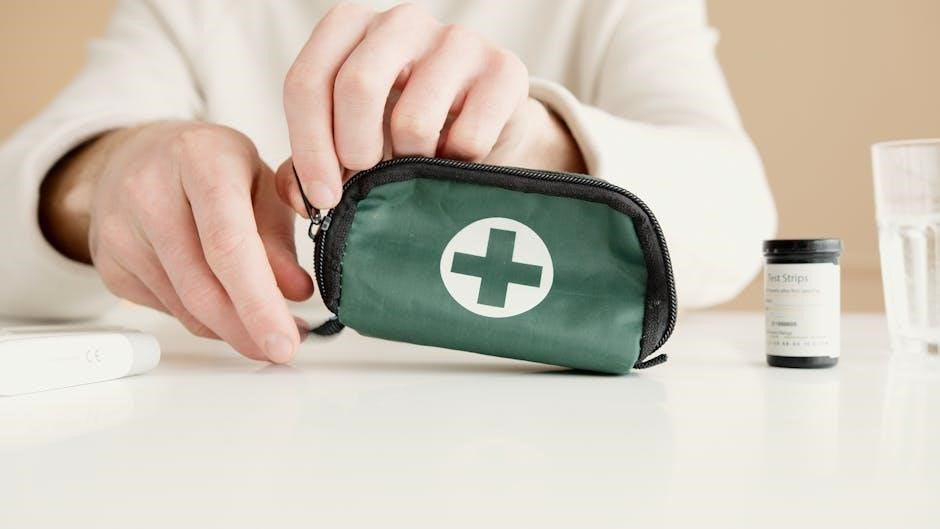
Creating a Printable First Aid Kit Checklist PDF
Customize your checklist based on personal needs, medical conditions, and activities. Ensure compliance with standards like CSA Z1220-17 for optimal preparedness.
Customizing the Checklist to Your Needs
Personalization is key when assembling your first aid kit. Consider specific allergies within your family – an EpiPen is crucial for severe reactions, and should be readily available both in the kit and carried daily.
Tailor the contents to anticipated activities. A hiking kit will differ from a home kit, requiring items for blisters, sprains, and insect bites. Account for pre-existing medical conditions; include necessary medications and supplies.
Don’t hesitate to add items beyond the basics. Specialized needs, like contact lens solution or extra glasses, enhance preparedness. Regularly review and adjust the checklist as your circumstances evolve, ensuring your kit remains relevant and effective. Prioritize what you need.
Compliance with Standards (CSA Z1220-17)
Ensuring your first aid kit meets the requirements of CSA Z1220-17 is vital for workplace safety and demonstrates a commitment to best practices. This Canadian standard outlines minimum requirements for kit contents based on risk assessment and the number of employees.
Compliance involves verifying the presence of essential items, appropriate quantities, and adherence to expiry dates. Regularly updating your kit to align with the standard is crucial.
CSA Z1220-17 categorizes workplaces based on hazard levels, dictating specific kit configurations. Consulting the standard directly or seeking guidance from a safety professional ensures your kit provides adequate protection and fulfills legal obligations. Proper compliance safeguards employee well-being.